
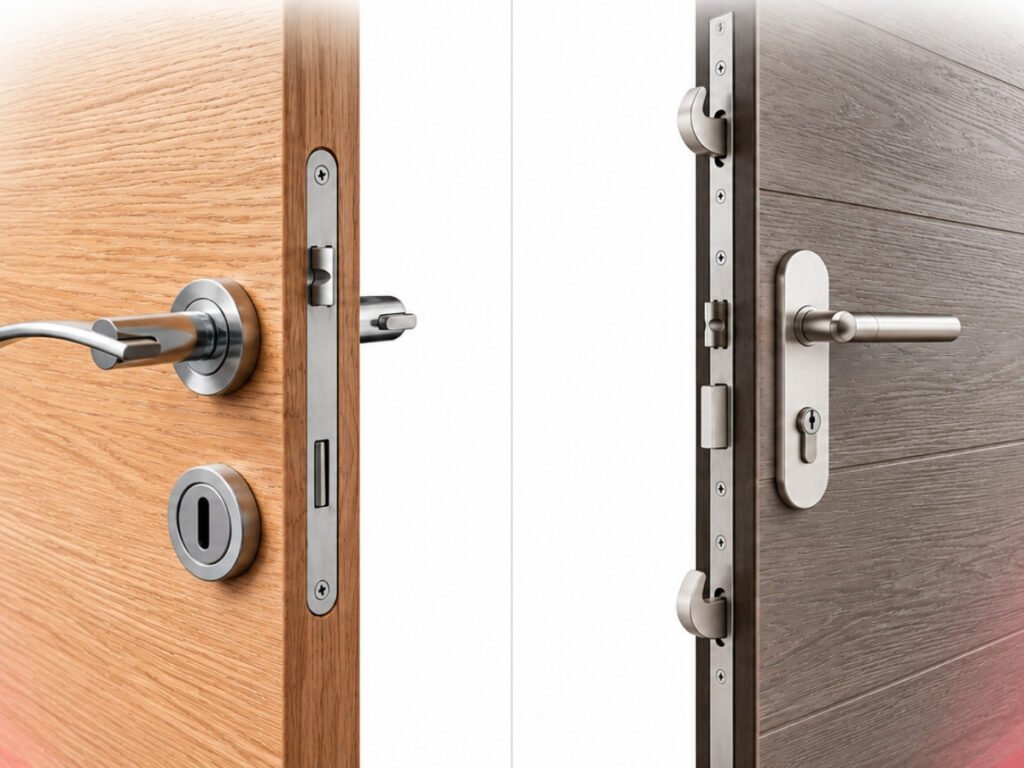
Stuck deciding on which type of lock is right for your door? For most uPVC and composite doors, a compatible multipoint locking system is the appropriate choice. Whereas for many traditional timber doors, a correctly fitted five-lever mortice (also known as ‘Mortise’) lock can offer improved security.
The right recommendation depends on your door, the condition of its hardware and how the entrance is used.
If you are comparing multipoint door locks with mortice locks, you may be planning an upgrade, replacing a troublesome mechanism or simply trying to understand what is already fitted.
At Locks on Sea, we provide professional lock repairs and replacements backed by more than 13 years of hands-on experience and MLA-qualified locksmith expertise.
As autumn arrives, it is a sensible time to pay attention to a stiff handle, a sticking key or a door that takes several attempts to lock. Understanding your locking system makes it easier to decide what needs attention.
What is the difference between multipoint and mortice locks?
“uPVC” describes the door material. “Mortice” describes a lock fitted into a recess in the door.
For this comparison, we are looking at the multipoint systems commonly fitted to uPVC and composite doors, alongside traditional five-lever mortice locks commonly used on timber doors.
| Feature | Multipoint locking system | Traditional five-lever mortice lock |
|---|---|---|
| Common use | uPVC and composite entrance doors; also some timber doors | Timber front and back doors |
| How it secures the door | Engages several locking points along the frame | Throws a deadbolt into a matching keep |
| Typical operation | Often involves lifting the handle and turning a key | A key operates the deadbolt |
| Main components | Locking strip, central mechanism and usually a separate cylinder | Lock case containing the lever mechanism and deadbolt |
| Replacement considerations | Identify whether the cylinder, central mechanism or full strip needs attention | Match the case dimensions, function and security specification |
A multipoint mechanism and a euro cylinder are also different components. The cylinder is usually the part you put your key into. Replacing it does not necessarily mean replacing the complete locking system.
Which lock is more secure?
The lock’s specification matters, but so do the door, frame, fixings and installation. Counting locking points alone will not tell you how secure an entrance is.
Our recommendation for uPVC and composite doors
Start by checking the existing multipoint mechanism and how the door closes.
The locking points should engage smoothly with their matching keeps. If the door has dropped or needs pulling into position, fitting a better cylinder won’t fix that alignment problem.
Where the mechanism is sound, upgrading the cylinder can be a practical way to improve security. A correctly sized TS007 three-star cylinder is one option to discuss with your locksmith. This rating includes protection against cylinder snapping and other attacks. Check out Yale’s three-star cylinder guidance.
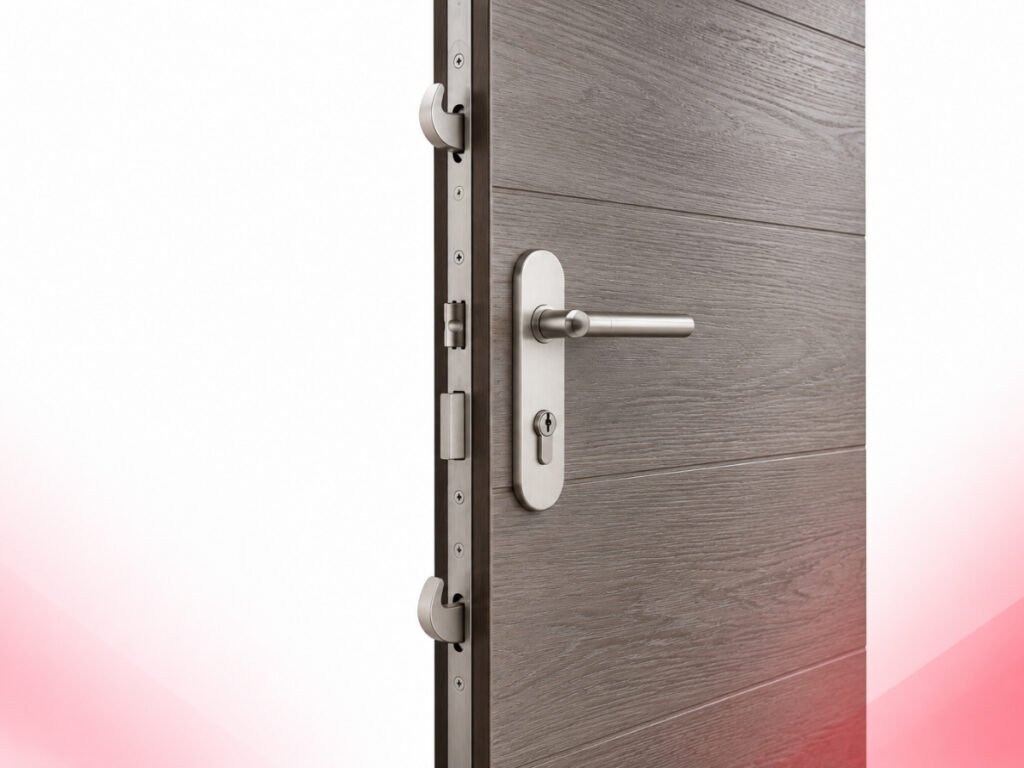
At Locks, our lock upgrade service includes high-security cylinders and work on uPVC multipoint mechanisms. We assess which part of the setup would benefit from improvement before recommending a replacement.
Our recommendation: keep a compatible, serviceable multipoint system, correct any operating problems and choose an appropriately rated cylinder that fits the door properly.
Our recommendation for timber doors
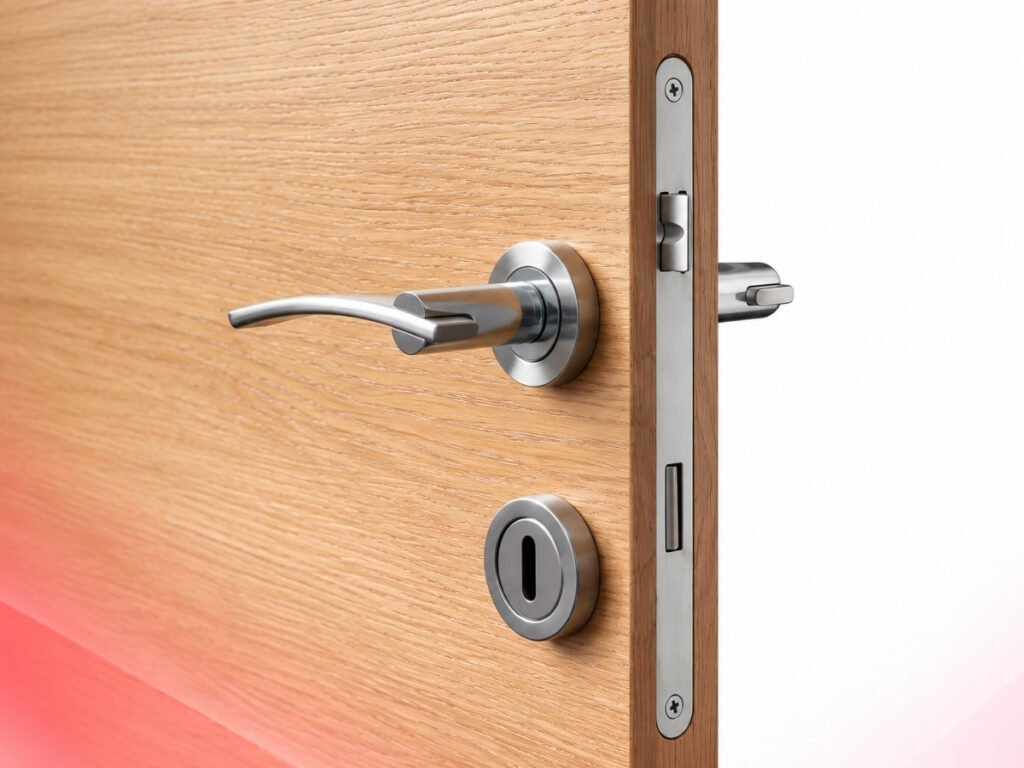
For a suitable traditional timber entrance door, a certified five-lever mortice lock can be a strong choice.
There are two common versions:
- Mortice deadlock: provides a key-operated deadbolt.
- Mortice sashlock: combines a deadbolt with a latch operated by the door handles.
The appropriate version depends on the existing door furniture and how you want the door to operate. The replacement must also fit the door’s dimensions and existing preparation. ERA’s mortice-lock guide.
Look for the actual certification rather than relying on the words “five lever”. A five-lever lock does not automatically meet BS3621. The standard number and relevant Kitemark help identify a certified product. MLA guidance on British Standard locks.
Our recommendation: choose a properly specified, certified lock for the timber door and check the condition of the surrounding wood, frame and keep.
Some timber doors are designed for multipoint locking, so their existing specification still matters.
Can a faulty lock be repaired instead of replaced?
Yes. A difficult door does not automatically need a completely new lock.
Consider a key that turns smoothly with the door open but becomes difficult when it is closed. That can indicate pressure or misalignment between the door and frame. Replacing the cylinder alone may leave the original problem unresolved.
Other symptoms worth checking include:
- A handle that becomes increasingly difficult to lift.
- A key that sticks or needs extra pressure.
- A loose cylinder or handle.
- A door that needs pushing, lifting or pulling before it will lock.
- Grinding, catching or inconsistent operation.
Depending on the diagnosis, the solution might involve adjustment, a replacement cylinder, work on the central mechanism or a complete replacement.
Avoid repeatedly forcing a reluctant key or handle. If a key starts bending or the mechanism will not move without force, stop before the damage becomes worse.
Our guide to why keys get stuck in locks explains the warning signs and what they can mean.
Which costs more to repair or replace?
The most useful comparison is between the work your door actually needs.
Changing a cylinder, replacing a complete multipoint mechanism and fitting a mortice lock are different jobs. A quote should make clear:
- Which component needs replacing and why.
- The specification of the proposed replacement.
- Whether door adjustment or additional fitting work is required.
- What the price includes.
Ask whether the problem has been traced to the lock itself or to how the door meets the frame. That distinction helps you understand what you are paying for.
Locks on Sea provides clear, upfront pricing for repairs and planned security upgrades, so you can discuss the proposed work before it goes ahead.
What about insurance and safe exit?
Check your own policy wording before choosing a replacement lock. A product described generally as “insurance approved” is not a guarantee that it meets every policy.
The door’s role also matters. Flat entrance doors, fire doors and shared entrances can need particular arrangements for safe escape and compatible hardware.
The MLA’s domestic security guidance highlights the need to consider both insurance requirements and the ability to leave safely in an emergency.
Tell your locksmith how the entrance is used, rather than choosing a lock solely by its appearance or price.
Clear advice from a local locksmith
Choosing a lock should leave you understanding what has been fitted and why it suits your property.
Locks on Sea is a family-run locksmith business serving Southend and surrounding Essex towns, including Leigh-on-Sea, Rayleigh and Rochford. Our work covers faulty locks, replacement mechanisms and security upgrades.
Customer feedback reflects the importance of explanation as well as workmanship. In a review displayed on our website, Stuart Bell described having two locks replaced and specifically praised:
“explaining the locks and what was needed.”
You can read that feedback alongside other customer reviews of our lock upgrade service.
For examples of the products we recommend for different doors, see our guide to the best locks for Essex homes.
Frequently asked questions
Can you replace a multipoint lock with a mortice lock?
A traditional five-lever mortice lock is not a straightforward replacement for a uPVC multipoint system. The door construction, existing cut-outs and frame hardware determine what can be fitted. A compatible repair or replacement is usually the appropriate starting point.
Does every multipoint lock work by lifting the handle?
No. Lift-to-lock systems are common, but automatic and other operating arrangements also exist. Follow the instructions for your particular mechanism.
Do I need a new door if the lock fails?
Not necessarily. Locks on Sea repairs cylinder faults, worn mechanisms and misaligned uPVC locks. The door should be assessed before deciding whether replacement is necessary.
Get advice on the right lock for your door
Whether you have a sticking uPVC mechanism, an ageing mortice lock or concerns about your current security, Locks on Sea can help you understand the options.
We provide planned repairs and upgrades, with emergency locksmith support available 24 hours a day.
Contact Locks on Sea to discuss your door, arrange an assessment and get a clear recommendation for your home.
Trusted by our local community and backed by 5-star customer reviews, Locks on Sea provides reliable locksmith services for homes, businesses and vehicles across Southend and Essex.
You can count on clear, upfront pricing, friendly service and quality workmanship.